Moving from Morden SM4? Narrow streets & parking tips
Posted on 22/05/2026
Moving from Morden SM4? Narrow streets & parking tips
Moving home in Morden can feel straightforward on paper, then suddenly a bit fiddly once you meet the real streets. Tight turns, parked cars on both sides, buses edging through, a neighbour's gate that swings out more than you expected... it all adds up. If you are moving from Morden SM4, getting the parking plan right is often the difference between a calm move and a morning of wheeling boxes half a street away.
This guide breaks down the practical side of Moving from Morden SM4? Narrow streets & parking tips in plain English. You will find local-style advice on access, loading, van size, timing, permissions, packing, and the small details people tend to forget until the van arrives. Truth be told, the "parking bit" is rarely glamorous, but it is usually the part that saves the most time.
We will also show where this fits into a broader Merton move, with useful links to our removal services overview, man with a van in Merton, and pricing and quotes if you want to compare your options while you read.

Why Moving from Morden SM4? Narrow streets & parking tips Matters
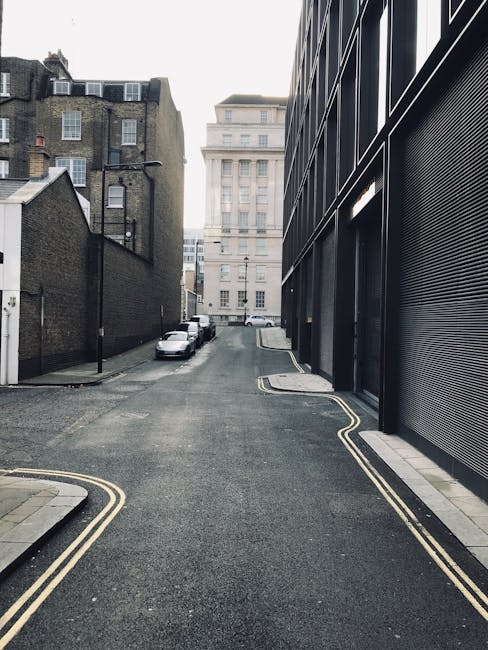
Morden has plenty of residential roads where everyday parking can already be tight, and that becomes much more noticeable on moving day. A removal van needs room to stop safely, load without blocking everyone in, and leave without a ten-point turn that makes the driver's eyebrows rise. If your street is narrow, busy, or lined with cars, the moving plan starts long before anyone lifts a sofa.
This matters for a few reasons. First, access affects time. A van parked outside the door can cut loading time dramatically, especially for flats or houses with heavier furniture. Second, it affects safety. Carrying a wardrobe further than you need to on a narrow pavement is awkward at best and risky at worst. Third, it affects neighbour relations. Nobody wants to become "that house move" with the engine idling across a dropped kerb at 8 a.m.
In our experience, the least stressful Morden moves are the ones where parking is treated as a core task, not an afterthought. That is especially true if you are moving from a flat, a converted property, or a home on a road where cars are already squeezed in bumper to bumper.
If you are still weighing up move size and vehicle choice, the pages for flat removals in Merton and house removals in Merton are useful because access needs can be quite different between the two.
How Moving from Morden SM4? Narrow streets & parking tips Works
The basic idea is simple: make the van's arrival match the street conditions instead of hoping the street will somehow adapt. That means checking where the vehicle can stop, whether it can legally wait, how much space is needed to load, and what to do if the obvious spot is already taken.
A good moving plan usually follows this sequence:
- Survey the street a day or two before the move. Look at the width of the road, where cars usually park, and whether there are bends or pinch points.
- Estimate the van size you actually need. A smaller van can be easier in tight Morden streets, but only if it still fits your load properly.
- Decide the loading point near the property entrance, not just the nearest legal space.
- Check for restrictions such as yellow lines, permit bays, resident-only parking, or time limits.
- Prepare the property access by clearing hallways, opening gates, and protecting floors where needed.
- Build a backup plan in case the ideal space is occupied on the day.
That backup plan is the bit people forget. Lets face it, streets do not care about your moving schedule. A bin lorry, school run, or delivery van can change your carefully imagined parking spot in seconds. Having a second option saves a lot of muttering under your breath.
For some moves, especially if time is tight, a service like same-day removals in Merton can be handy, but only if the access arrangements are thought through. Speed helps, yes, but access still rules the day.
Key Benefits and Practical Advantages
Sorting out narrow-street access and parking before the move gives you more than just peace of mind. It often improves the whole pace of the day.
- Less carrying distance means fewer breaks, fewer bumps, and less chance of fatigue.
- Faster loading and unloading usually reduces the time the crew spends on site.
- Lower risk of damage to furniture, walls, stairwells, and door frames.
- Better traffic flow for neighbours, pedestrians, and your own van driver.
- More accurate planning for van size, labour, and timing.
There is also a quieter benefit: confidence. When you know where the van is going, you stop worrying about the "what ifs" and can focus on the actual move. That sounds minor, but on moving day your brain is already juggling keys, meter readings, final checklists, and the mystery of where you put the kettle box.
If you are moving furniture that needs extra care, it can make sense to look at furniture removals in Merton as a focused option, especially where tight corners or awkward stairs are part of the layout. For delicate or bulky items, this is not the moment to wing it.
Who This Is For and When It Makes Sense
This advice is for anyone moving out of Morden SM4 where access is not a clean, wide-open driveway situation. That includes:
- people in terraced streets with limited on-street parking
- flat movers dealing with shared entrances or narrow staircases
- families leaving homes near busier roads
- students moving between rooms, shared houses, or small flats
- anyone moving on a weekend when parking is already competitive
- small business owners relocating from residential-style office premises
It makes even more sense if you are moving with bulky items, a piano, or a full house load. You may not need a huge service, but you probably do need the right vehicle and the right access plan. A smaller job can still become stressful if the van cannot stop anywhere sensible.
For students, student removals in Merton are often a good fit because the loads are lighter, but the parking can still be awkward. Tiny stairwells and no loading bay do not care how few boxes you have.
Step-by-Step Guidance
1. Walk the route from your front door to the nearest practical stopping point
Do not just look at the road from the pavement outside. Actually walk it. Check for low branches, parked cars, narrow gates, steps, and any awkward corners. A route that looks fine from the kerb can feel very different when you are carrying a wardrobe or a heavy chest of drawers.
2. Measure the big items, not just the room
People often measure the sofa and forget the angle of the doorway. Or they measure the staircase and forget the bend at the top. If you have large furniture, note the height, width, and how it must be tilted to move safely.
3. Identify the best stopping point for the van
The nearest space is not always the best space. Sometimes the slightly further bay is much easier for loading because it avoids a sharp turn, a resident's driveway, or a bend where other drivers might have to squeeze through. A few extra metres can save a lot of hassle.
4. Plan for parking restrictions in advance
Look out for permit bays, yellow lines, time-limited bays, school-related congestion, or weekend event traffic. If anything is unclear, treat it carefully rather than assuming it will be fine. The council side of things can be fiddly, so double-check rather than guessing.
5. Pack the exit path inside the property
Hallways cluttered with shoes, umbrella stands, bins, and random bits you "will move later" are a classic trap. Clear them before the van arrives. You want a smooth route from the room to the door and from the door to the vehicle.
6. Keep a ground-floor staging area if possible
Even in a small Morden home, it helps to set boxes in one place near the exit. That way the loading crew is not zig-zagging through the house. It sounds simple because it is simple.
7. Confirm who is responsible for parking
On the day, decide whether you or the driver is handling the parking conversation. That avoids confusion when the van arrives and everyone assumes someone else sorted it. A tiny thing, but it matters.
Expert Tips for Better Results
Here are the small adjustments that tend to make the biggest difference in narrow streets.
- Book the van with access in mind. If your road is tight, a more manoeuvrable vehicle can be better than a larger one that technically "fits" the volume.
- Time the move to avoid local congestion. School drop-off, commute peaks, and lunchtime delivery windows can all make parking harder than expected.
- Use bright labels. In a rushed loading situation, clear labels save time and stop boxes being stacked in the wrong order.
- Keep essentials separate. Kettle, chargers, documents, medication, and a change of clothes should stay with you, not buried in the van.
- Protect the first and last metres. Door frames, stair corners, and van ramps are where most annoying scrapes happen.
A small aside: if you have ever watched two adults trying to pivot a mattress through a hallway that is just a touch too narrow, you will know why planning feels so worthwhile. Nobody wins that little battle without a plan.
It can also help to think about whether you need man and van services in Merton or a fuller removals team. For lighter, tighter moves, a nimble setup often works better. For heavier homes, a more structured crew is usually the calmer choice.
Common Mistakes to Avoid
Most parking problems on moving day are avoidable. The usual culprits are familiar, and a bit frustrating because they are so preventable.
- Assuming the van can just "pull up outside". In narrow Morden roads, that is often wishful thinking.
- Ignoring permit or restriction signs. If the bay looks empty, it does not always mean it is available.
- Underestimating how long loading takes. A fifteen-minute job can become forty-five minutes once you factor in stairs, doors, and awkward furniture.
- Choosing the wrong vehicle size. Too big can be a parking headache; too small can mean extra trips. Neither is ideal.
- Not telling neighbours. A quick note or conversation can prevent avoidable tension, especially in shared access streets.
- Forgetting weather. Rain, frost, and slippery pavements make loading slower and less predictable. Classic London move behaviour, really.
One more to avoid: leaving the packing until the parking plan is sorted. It is tempting to think you can deal with one later. But they affect each other. If the van is delayed, your packing schedule shifts. If the packing is messy, loading takes longer and the parking time window becomes more sensitive.
Tools, Resources and Recommendations
You do not need a massive kit to move well, but a few tools make narrow-street moves much easier.
- Furniture blankets and straps for protecting items during short carry distances
- Protective covers for mattresses, sofas, and soft furnishings
- Box labels and marker pens so the order stays clear
- A tape measure for doors, stairs, furniture, and van access points
- Phone camera for taking quick photos of the street, bay signs, or tricky obstacles
- Gloves with grip for safer handling on damp days
For packing support, packing and boxes in Merton is a practical page to check if you want to reduce the stress before moving day. Good packing is not just about keeping things tidy; it helps the loading crew work faster and safer too.
If you need somewhere temporary for items that do not fit neatly into the move, storage in Merton can be a sensible bridge between homes. That can make parking and loading much simpler because you are not trying to move every last item in one go.
Law, Compliance, Standards, and Best Practice
Parking and loading around a residential move should always follow local road rules and common-sense safety practice. In London, that means paying close attention to road markings, signs, dropped kerbs, and any permit or time-based parking controls. If a space is restricted, do not assume a move gives you special permission. It usually does not.
For larger or more complicated jobs, best practice is to plan the move so vehicles do not block access for emergency services, neighbours, or pedestrians. Keeping pavements clear matters, especially on narrower streets where a blocked footway can cause real inconvenience. It is not just polite; it is safer.
Good moving operators also think about safe lifting, load securing, and protecting property surfaces. That is why pages like insurance and safety and health and safety policy are worth reading if you want a clearer idea of what responsible handling should look like.
If you are comparing providers, transparency helps. A good company should be clear about what is included, what might cost extra, and what the customer is expected to arrange, such as permits or reserved bays where applicable. That openness is part of decent service, not a bonus.
Options, Methods, or Comparison Table
There is no single right way to manage a move from a narrow Morden street. The best choice depends on how much you are moving, how accessible the property is, and how much time you have on the day.
| Approach | Best for | Pros | Trade-offs |
|---|---|---|---|
| Small van with careful parking plan | Light to medium moves, tight roads | Easier manoeuvring, faster curbside access | May need more trips if the load is larger than expected |
| Standard removal van | Full-house moves where access is still manageable | Higher capacity, fewer trips | Harder to position in cramped streets |
| Man and van service | Flats, student moves, partial loads | Flexible, efficient, often simpler for awkward access | Not always ideal for large family homes |
| Full removals team | Heavier or more complex moves | More hands, better for stairs and bulky items | Needs more coordination and usually more space to work |
To be fair, the best option is not always the biggest one. A smaller vehicle that can stop properly and load cleanly is often better than a larger van that sits three houses away because it cannot get round the corner.
If your move includes especially awkward items, such as upright instruments, it is worth looking at piano removals in Merton. That kind of job benefits from extra care, extra planning, and a realistic view of access.
Case Study or Real-World Example
Imagine a typical Morden move from a first-floor flat on a road with parked cars on both sides. The resident assumes the van will stop directly outside at 9 a.m. On the day, the closest space is gone, a delivery van is double-parked briefly, and the only available bay is a short walk away. Nothing disastrous, but suddenly every box needs to be carried farther than planned.
Now compare that with a move planned the right way. The mover checks the road the day before, identifies a better stopping point around the corner, and packs the flat so the largest items are ready first. The driver arrives, parks safely, and loading begins without a long delay. Less walking, fewer pauses, and no awkward reshuffling in the hallway.
The difference is rarely dramatic in a movie sense. It is more subtle than that. The second move just feels smoother. You finish with more energy, fewer scratches on the skirting board, and less of that end-of-day "what on earth happened there?" feeling.
Practical Checklist
Use this quick checklist in the days before your move.
- Walk the street and identify realistic van stopping points
- Check road signs, restrictions, and likely pinch points
- Measure large furniture and awkward items
- Confirm whether a smaller or larger van is more suitable
- Clear hallways, porches, and entry routes
- Prepare labels, tape, blankets, and protective covers
- Set aside essentials you want to keep with you
- Tell neighbours if access may be temporarily tight
- Confirm the plan for parking responsibility on moving day
- Keep a backup space or alternative loading point in mind
Expert summary: in narrow Morden streets, the best moves are usually won before the van arrives. If access is measured, parking is thought through, and the load is ready, everything else gets easier. Not perfect, just easier - and that is often enough.
Conclusion
Moving from Morden SM4 does not have to be stressful, even if the streets are a bit narrow and the parking is a bit fussy. The trick is to treat access as part of the move, not a side detail. Once you know where the vehicle can stop, how the route works, and what kind of load you are handling, the day becomes much more manageable.
That is really the heart of it: plan the parking, protect the access, and choose the right removal setup for the space you actually have. The rest tends to follow.
Get a free quote today and see how much you can save.
And if you want a better feel for the area while you plan, you might also enjoy getting to know Merton a little better or reading what locals say about living in Merton. A move is never just boxes, after all. It is a fresh start, and that deserves a calm, well-handled beginning.